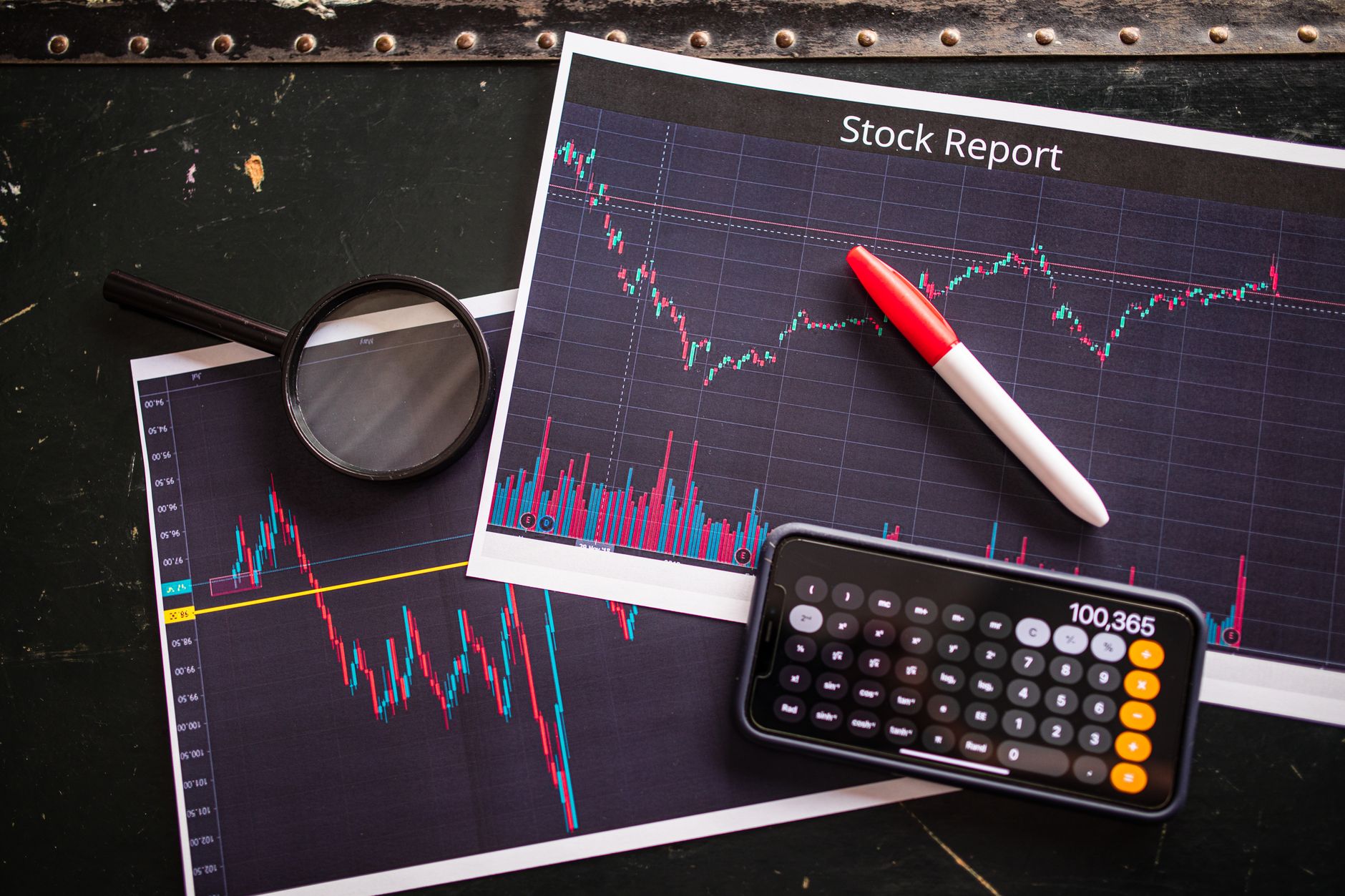
Day trading crypto is one of the fastest ways to grow a small account, but it’s also one of the quickest ways to lose it all. The crypto market never sleeps, and that 24/7 action tempts beginners with promises of quick riches. But here’s the truth: most retail day traders lose money, especially in their first year. You need a plan, not just hype. This guide breaks down beginner-friendly strategies that actually work, shows you how to manage risk, and covers the Canadian tax rules you can’t ignore.
You’ll learn the exact steps to set up your trading station, pick a strategy that fits your schedule, and avoid the traps that wipe out new traders. We’ll get into specific tactics like range trading and scalping, plus the red flags that signal trouble. This isn’t generic advice you find on Twitter. It’s grounded in real market mechanics and Canadian regulations. Before you start, make sure you have a secure wallet setup ready to receive your crypto, and understand the basics of buying crypto safely.
What You’ll Need
- Canadian crypto exchange account
- $500 starting capital
- Trading journal or spreadsheet
- Stop-loss orders
- Basic charting software
How Do You Day Trade Crypto?
- Choose a regulated Canadian exchange.
Your first move is picking a platform that’s registered with Canadian regulators. Exchanges like Wealthsimple Crypto and Kraken have proper registrations, which means they follow anti-money laundering rules and offer some protection. Unregulated offshore exchanges might have lower fees, but they also come with higher risk of hacks or sudden shutdowns.

- Fund your account with fiat currency.
Deposit Canadian dollars into your exchange account using a bank transfer or credit card. Most platforms accept Interac e-Transfer, which is fast and cheap. Start with a small amount, like $500, because you’ll make mistakes early on. You don’t want to risk your rent money while learning.
- Learn to read basic price charts.
You don’t need a PhD in technical analysis, but you should understand candlesticks, support, and resistance. Candlesticks show price action over a set time, like 5-minute or 1-hour intervals. Support is a price level where buying tends to kick in, and resistance is where selling shows up. These levels form the backbone of most beginner strategies.
- Pick one strategy and master it.
Range trading is the best starting point. You identify a coin stuck between support and resistance, then buy near support and sell near resistance. It’s simple, works in sideways markets, and doesn’t require fancy indicators. Scalping is another option, but it’s faster and harder for beginners. Stick with range trading for your first 50 trades.
- Set a stop-loss on every single trade.
A stop-loss is an order that automatically sells your crypto if the price drops to a certain level. Set it at 2% below your entry price, so you never lose more than a small chunk of your capital. This is non-negotiable. Without a stop-loss, a sudden crash can wipe out your entire account in minutes.
- Track every trade for tax time.
The CRA requires you to report all crypto transactions, and day trading profits are usually treated as business income. That means you pay tax at your marginal rate, which could be as high as 53% in Ontario. Keep a spreadsheet with the date, amount, price, and fees for each trade. The CRA has a cryptocurrency guide that explains the rules, and you can also check their digital currency page for more details.
- Review your trades weekly and adjust.
Set aside 30 minutes each week to look at your trade log. Which setups made money? Which ones lost? Most beginners repeat the same mistakes, like chasing pumps or holding losers too long. Adjust your strategy based on data, not feelings. This habit separates profitable traders from gamblers.
Red Flags & Warnings
- 🚨 Never trade with money you need for bills. Crypto day trading is high risk, and you can lose 100% of your capital.
- 🚨 Avoid leverage. Trading with 10x or 20x leverage sounds exciting, but a 10% price move against you wipes out your entire position. Stick to spot trading.
- 🚨 Beware of ‘pump and dump’ groups on Telegram or Discord. They hype a coin, you buy in, and then they sell at your expense. If it sounds too good, it’s a scam.
- 🚨 Don’t overtrade. Taking 20 trades a day increases your fees and your chances of making impulsive decisions. Quality over quantity.
- 🚨 Watch out for phishing links. Scammers create fake exchange websites that look identical to the real ones. Always double-check the URL, and use two-factor authentication on every account.
Frequently Asked Questions
How much money do I need to start day trading crypto?
You can start with as little as $100 on most Canadian exchanges, but $500 to $1,000 is more realistic to see meaningful profits. Never trade money you can’t afford to lose, and start small to learn the ropes.
Is day trading crypto legal in Canada?
Yes, day trading crypto is legal in Canada. However, you must report your gains and losses to the CRA, and profits are treated as business income if you trade frequently. Keep detailed records of every trade.
What's the best strategy for a beginner day trader?
Range trading is the best starting point because it’s simple and works well in sideways markets. You buy at support and sell at resistance, using clear price levels instead of complex indicators.
How much profit can I expect day trading crypto?
Most beginners lose money in their first few months, so expect a learning curve. A realistic goal is 1-2% per day, not 100% overnight. Over a year, consistent 10-20% monthly returns would put you in the top tier of traders.
Do I need to pay taxes on crypto day trading in Canada?
Yes. The CRA treats crypto like a commodity, and day trading profits are usually considered business income, taxed at your marginal rate. Losses can offset gains, so track everything. Check the CRA’s crypto guide for details.
What Should You Remember?
- Start small: Begin with $500 or less to learn without risking your savings.
- Use stop-losses: Always set a stop-loss, like 2% of your capital, on every trade.
- Pick one strategy: Master range trading or scalping before trying anything else.
- Track everything: Log every trade for CRA tax reporting and performance review.
- Avoid leverage: Leverage amplifies losses, and 90% of leveraged beginners blow up their accounts.
- Stay calm: Emotional trading causes most losses, so stick to your plan.
- Secure your funds: Use a secure wallet for holdings you aren’t trading.
Disclaimer: This article is for informational purposes only and does not constitute financial or tax advice.